
What Foods Can Help Lower Blood Sugar? 15 Healthy Choices
What you eat can affect your blood sugar. Discover 15 healthy foods that can help you manage it better.

nanadwumor
-
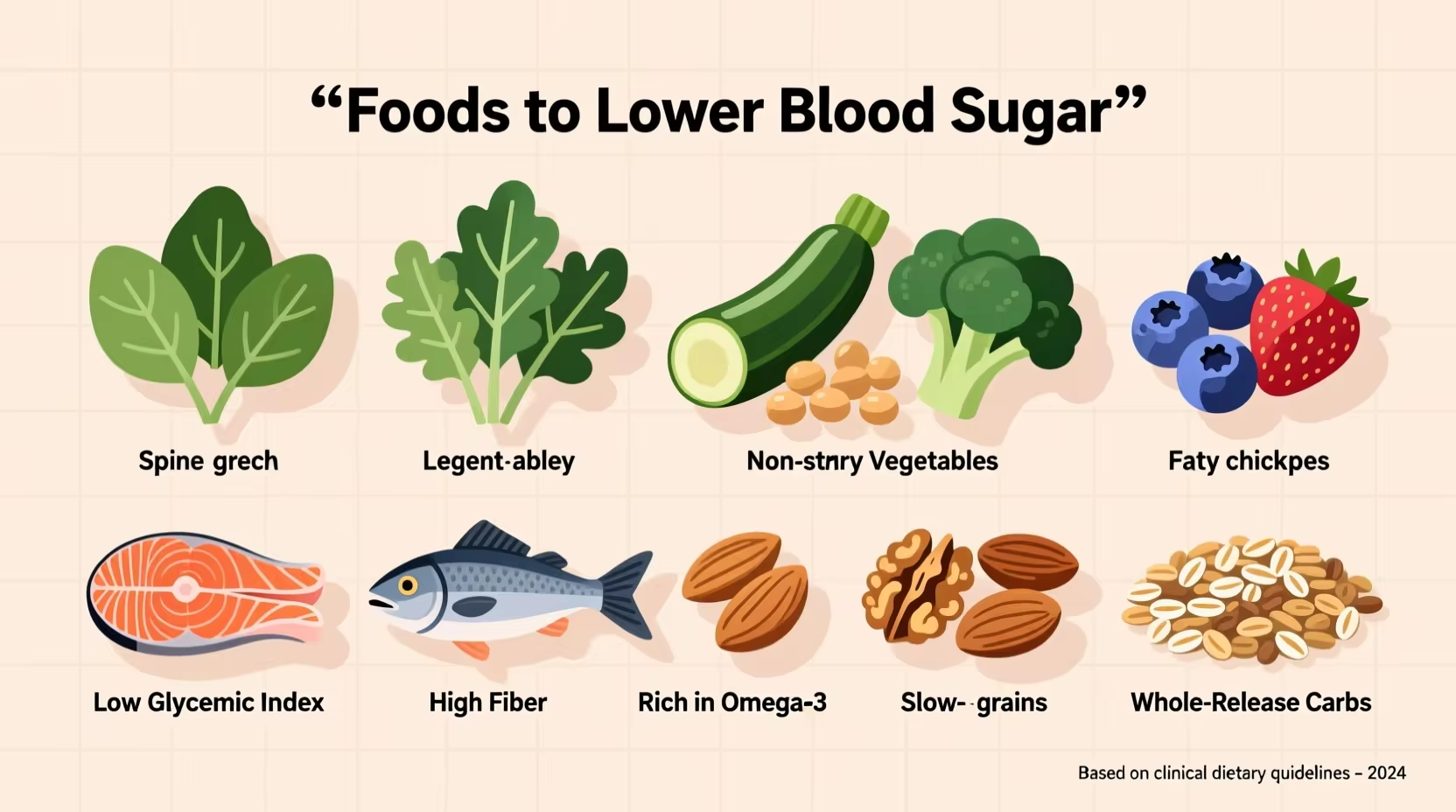
Vegetables, beans, oats, and whole fruits support blood sugar control.
-
Choose whole foods over sugary and processed foods.
-
Balance your meals and control portions.
-
Healthy eating supports diabetes treatment but does not replace medication.
RECOMMENDED ARTICLES
No Results Found
The page you requested could not be found. Try refining your search, or use the navigation above to locate the post.
Blood sugar levels can change depending on what you eat. Some foods help your body manage blood sugar better, while others can cause it to rise quickly.
If you have diabetes or are at risk of developing it, choosing the right foods is an important step towards better health.
But does this mean you must stop eating your favourite foods?
Not necessarily. The goal is to eat balanced meals, choose healthier options, and watch your portion sizes.
Here are 15 healthy foods that can support better blood sugar control.
15 Foods That Can Help Manage Blood Sugar
1. Leafy Green Vegetables
Leafy green vegetables are rich in vitamins, minerals, and fibre. Most are also low in carbohydrates.
Examples include spinach, kontomire, and other dark green leafy vegetables.
You can add them to soups, stews, or salads.
2. Okra or Okra
Okra is a good source of fibre. Fibre helps slow digestion and can reduce how quickly blood sugar rises after eating.
You can add okra to soups and stews or cook it as a vegetable dish.
3. Broccoli
Broccoli is a low-carbohydrate vegetable that provides fibre and other important nutrients.
It is a healthy addition to meals, especially when steamed or lightly cooked.
4. Cabbage
Cabbage is another good vegetable choice. It contains fibre and has relatively few carbohydrates.
You can eat it raw in salads or cook it with other vegetables.
5. Garden Eggs
Garden eggs provide fibre and other nutrients. They are a useful addition to a balanced diet.
You can boil, roast, or add them to stews.
6. Beans
Beans are rich in fibre and plant-based protein. They can help you feel full for longer and support better blood sugar management.
Examples include black-eyed beans, kidney beans, and brown beans.
Remember that beans also contain carbohydrates, so portion size still matters.
7. Lentiles
Lentils contain fibre, protein, and important minerals.
They are useful in soups, stews, and other balanced meals.
Like beans, they contain carbohydrates, but their fibre content makes them a nutritious choice.
8. Oats
Oats contain a type of fibre called beta-glucan. This fibre helps slow digestion and supports healthy blood sugar management.
Choose plain oats instead of heavily sweetened instant varieties.
You can prepare oats with water or unsweetened milk.
9. Brown Rice
Brown rice contains more fibre than ordinary white rice because it retains more of its outer layers.
It can be a healthier alternative when eaten in reasonable portions.
However, brown rice still contains carbohydrates and can raise blood sugar.
10. Whole Fruits
Fruits provide vitamins, minerals, and fibre.
Good choices include apples, oranges, pears, guava, and berries.
Choose whole fruits instead of fruit juice. Whole fruits contain fibre, which helps slow the absorption of sugar.
11. Avocados
Avocados contain healthy fats and fibre. They also contain very little carbohydrate compared with many other fruits.
You can add avocado to salads or eat it alongside a balanced meal.
12. Nuts
Nuts contain healthy fats, protein, and fibre.
Examples include almonds, walnuts, and groundnuts.
Choose plain or unsalted nuts rather than varieties covered in sugar or salt. Eat them in moderate portions because they are high in calories.
13. Fish
Fish provides protein and, in some varieties, healthy omega-3 fats.
Examples include salmon, sardines, mackerel, and other oily fish.
Fish is a useful part of a balanced diet, especially when grilled, baked, or steamed instead of deep-fried.
14. Eggs
Eggs are a good source of protein and contain very little carbohydrate.
They can help make meals more satisfying when eaten with vegetables and other healthy foods.
You can boil, poach, or prepare them with little added oil.
15. Plain Yoghurt
Plain yoghurt provides protein and other nutrients. Some varieties also contain beneficial bacteria.
Choose unsweetened yoghurt rather than flavoured varieties with added sugar.
Remember that yoghurt contains some natural milk sugar, so consider the portion you eat.
These food choices are consistent with recommendations from the American Diabetes Association and other health organisations.
How Do These Foods Help Control Blood Sugar?
Different foods support blood sugar management in different ways.
Fibre-rich foods help slow digestion and the rise in blood sugar after meals.
Protein-rich foods help you feel full and can make meals more balanced.
Healthy fats support general health and can make meals more satisfying.
However, no single food can guarantee normal blood sugar levels. Your overall eating habits, activity level, weight, and medication all matter.
Foods and Drinks You Should Limit
If you want to manage your blood sugar, pay attention to foods and drinks that contain large amounts of added sugar or refined carbohydrates.
Try to limit:
-
Sugary soft drinks and energy drinks.
-
Sweetened fruit juices.
-
Cakes, biscuits, and sweets.
-
Excessive amounts of white bread and refined grains.
-
Highly processed snacks with added sugar.
You do not necessarily have to avoid every carbohydrate food. The important thing is to choose better options and control your portions.
For example, choose whole fruit instead of fruit juice and plain oats instead of sugary breakfast cereals.
How to Build a Healthy Plate
One simple way to manage your meals is to use the plate method.
Divide a plate into three sections:
-
Half the plate: Fill it with non-starchy vegetables such as kontomire, cabbage, okra, and broccoli.
-
One-quarter of the plate: Add protein such as fish, chicken, eggs, or beans.
-
One-quarter of the plate: Add carbohydrate foods such as brown rice, yam, or another preferred staple in a suitable portion.
Drink water instead of sugary drinks.
This approach helps you balance vegetables, protein, and carbohydrates without completely removing familiar foods from your diet.
Can Food Alone Control Diabetes?
Not always.
Healthy eating is an important part of diabetes management, but some people also need medication or insulin.
If you have diabetes, follow the treatment plan given by your healthcare professional.
Do not stop taking prescribed medication because you have started eating healthier foods.
Also, if you use insulin or certain diabetes medicines, changing how much you eat can affect your blood sugar. Discuss major changes to your diet with your healthcare team.
Frequently Asked Questions
1. What is the best food for lowering blood sugar?
There is no single best food. Vegetables, beans, oats, whole fruits, nuts, and other high-fibre foods can support better blood sugar management.
2. Can I eat rice if I have diabetes?
Yes. You can eat rice, but portion size matters. Brown rice is a higher-fibre option than white rice, but both can raise blood sugar.
3. Are bananas good for people with diabetes?
Yes. People with diabetes can eat bananas. Choose reasonable portions and preferably eat whole bananas rather than drinking banana juice or smoothies with added sugar.
4. Does drinking water lower blood sugar?
Water does not directly treat diabetes, but drinking it instead of sugary beverages helps reduce added sugar intake. Staying hydrated is also important for general health.
5. Can I stop taking diabetes medication if I eat these foods?
No. Do not stop prescribed diabetes medication without speaking to your healthcare professional. Healthy eating supports treatment but does not replace it.
Join Our Telegram Group
Join Our WhatSapp Group
You May Also Like…
No Results Found
The page you requested could not be found. Try refining your search, or use the navigation above to locate the post.
0 Comments