
Can High Blood Pressure Cause Symptoms? What You Should Know.
You may have high blood pressure without knowing it. Discover why this silent condition is dangerous and how to protect your health.

nanadwumor
-
High blood pressure often has no symptoms.
-
Severe cases may cause headaches, blurred vision, or chest pain.
-
Untreated hypertension can damage vital organs.
-
Regular blood pressure checks help detect it early.
RECOMMENDED ARTICLES
What Are the Early Signs of Prostate Problems? 10 Symptoms Men Should Not Ignore
Prostate problems can develop without obvious warning signs. Learn the 10 symptoms men should never ignore. Prostate problems can cause urinary changes and pain. Blood in urine or semen needs...
What Are the Warning Signs of Kidney Disease? 10 Symptoms to Know
Your kidneys can be in trouble without you feeling sick. Learn the warning signs your body may show before kidney disease becomes more serious. Kidney disease can develop silently, with few or...
Why Am I Always Tired? 10 Possible Causes of Constant Fatigue
You sleep, you rest, yet you still feel tired. Why? Constant tiredness can have many causes, and some may surprise you. Poor sleep, stress and diet can cause constant tiredness. Anaemia,...
High blood pressure is one of the most common health problems worldwide. Yet, many people have it without knowing.
You may feel perfectly healthy while your blood pressure is dangerously high. This is because high blood pressure usually does not cause noticeable symptoms.
But what happens when blood pressure becomes too high? Can your body give you warning signs?
Here is what you should know.
What Is High Blood Pressure?
High blood pressure, also called hypertension, occurs when blood pushes too strongly against the walls of your blood vessels over time.
Your heart pumps blood around your body through blood vessels. When the pressure remains too high, it puts extra strain on your heart and blood vessels.
Over time, this can increase your risk of heart disease, stroke, kidney disease, and other health problems.
Does High Blood Pressure Cause Symptoms?
Most of the time, no.
Many people with high blood pressure experience no warning signs. They may continue their normal activities without knowing anything is wrong.
This is why high blood pressure is often called a silent condition.
The only reliable way to know whether your blood pressure is high is to have it measured.
5 Possible Symptoms of Very High Blood Pressure
Although high blood pressure usually has no symptoms, very high blood pressure may occur alongside certain warning signs.
These include:
1. Severe Headache
A sudden or severe headache may occur during a serious rise in blood pressure.
However, headaches have many possible causes. Having a headache does not automatically mean your blood pressure is high.
2. Blurred Vision
Very high blood pressure can affect the blood vessels in your eyes.
You may experience blurred vision or sudden changes in your eyesight.
Sudden vision changes need urgent medical attention.
3. Chest Pain
Chest pain can occur during a serious blood pressure emergency.
It may feel like pressure, tightness, or discomfort in the chest.
Do not ignore unexplained chest pain. Seek emergency medical care.
4. Difficulty Breathing
Very high blood pressure can put extra strain on the heart. In serious cases, this may lead to breathing difficulties.
Sudden or severe difficulty breathing requires emergency medical attention.
5. Numbness or Weakness
Sudden numbness or weakness, especially on one side of the body, may indicate a stroke.
Other warning signs include difficulty speaking, confusion, and sudden changes in vision.
Seek emergency medical care immediately.
Can You Have High Blood Pressure Without Knowing?
Yes. In fact, this is very common.
You may have high blood pressure without experiencing headaches, dizziness, chest pain, or any other noticeable problem.
Some people discover they have hypertension during a routine medical check.
Others only find out after developing complications.
This is why regular blood pressure checks are important, even when you feel healthy.
What Happens If High Blood Pressure Is Not Treated?
High blood pressure can damage important organs over time.
Some possible complications include:
-
Heart disease: It makes the heart work harder and increases the risk of heart problems.
-
Stroke: It can damage blood vessels supplying the brain.
-
Kidney disease: It can damage the blood vessels that help the kidneys work.
-
Eye damage: It can affect the small blood vessels in the eyes.
-
Heart failure: It can weaken the heart over time.
The good news is that high blood pressure can be controlled through healthy habits and appropriate medical treatment.
How Do You Know If Your Blood Pressure Is High?
You cannot determine your blood pressure by how you feel.
You need a blood pressure check.
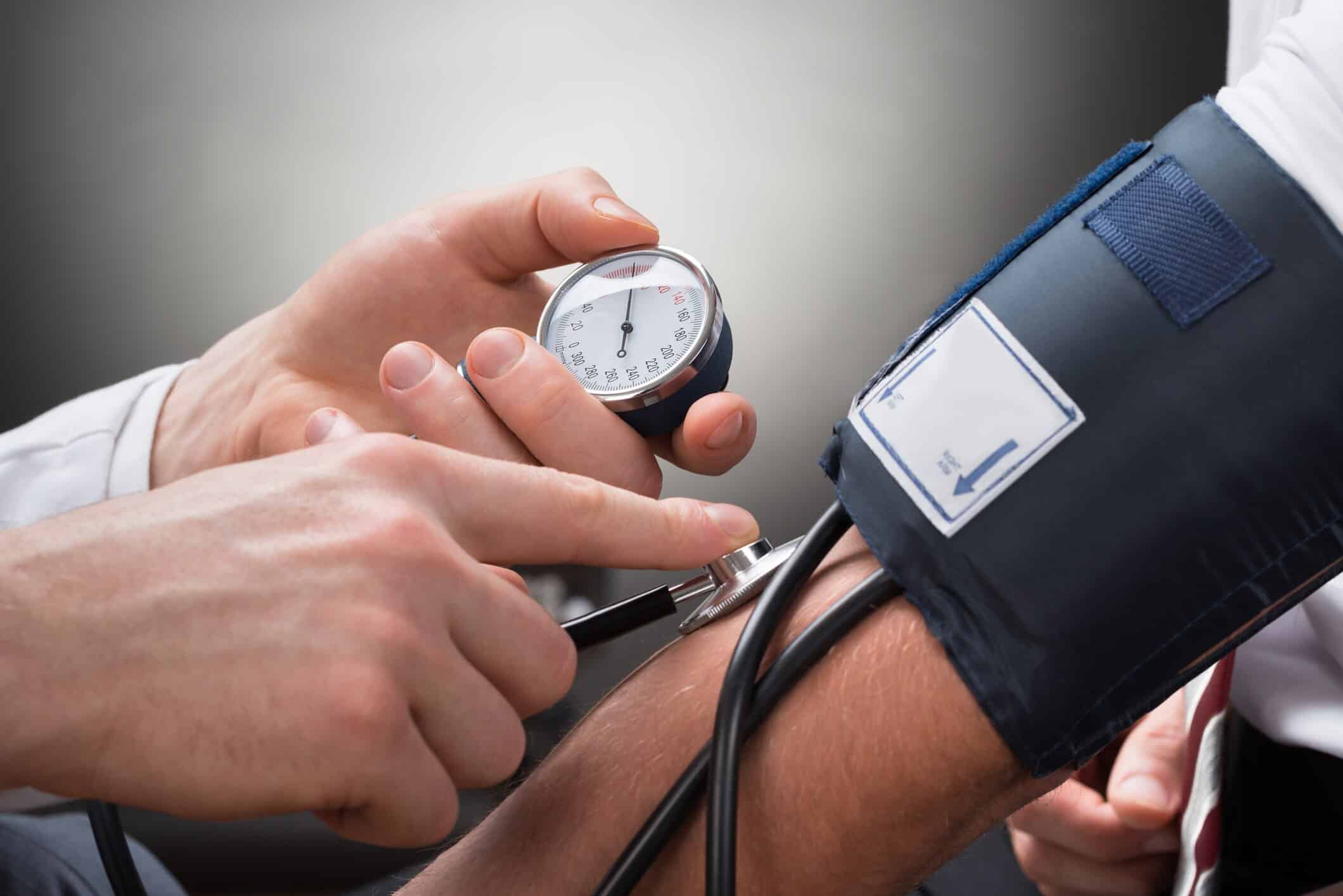
A blood pressure monitor uses a cuff placed around your upper arm. It measures the pressure of blood against the walls of your blood vessels.
The result is written using two numbers, such as 120/80 mmHg.
-
The top number: Measures the pressure when your heart beats.
-
The bottom number: Measures the pressure when your heart relaxes between beats.
A single reading may not be enough to confirm hypertension. A healthcare professional may recommend repeated measurements on different occasions or home monitoring.
7 Ways to Help Prevent or Control High Blood Pressure
Healthy daily habits can help lower your risk of developing high blood pressure and improve blood pressure control.
1. Reduce Salt Intake
Eating too much salt can increase blood pressure.
Reduce the amount of salt you add to food. Also, limit highly salted and processed foods.
2. Eat More Fruits and Vegetables
Include fruits and vegetables in your daily meals.
They provide nutrients that support healthy blood pressure and general health.
3. Exercise Regularly
Physical activity helps keep your heart healthy.
Walking, cycling, swimming, and other regular activities can help improve blood pressure.
4. Maintain a Healthy Weight
Being overweight can increase your risk of high blood pressure.
If you are overweight, gradual weight loss may help improve your blood pressure.
5. Avoid Smoking
Smoking damages blood vessels and increases the risk of heart disease and stroke.
Avoid tobacco products to protect your heart and blood vessels.
6. Limit Alcohol
Drinking too much alcohol can raise blood pressure.
Limiting alcohol or avoiding it can support better blood pressure control.
7. Take Prescribed Medication
Some people need medication to control high blood pressure.
If a healthcare professional prescribes medication, take it as directed. Do not stop taking it simply because you feel better.
When Should You Seek Medical Attention?
Have your blood pressure checked regularly, especially if you have risk factors or have previously been diagnosed with hypertension.
If your reading is above 180/120 mmHg, wait at least one minute and measure it again.
If it remains that high, contact a healthcare professional immediately, even if you feel well.
Call emergency services immediately if a very high reading is accompanied by chest pain, difficulty breathing, weakness, numbness, vision changes, or difficulty speaking.
Do not wait for these symptoms to disappear.
Frequently Asked Questions
1. Can high blood pressure cause headaches?
Most people with high blood pressure do not experience headaches. However, a severe headache can occur during a serious blood pressure emergency.
2. Can high blood pressure cause dizziness?
Dizziness is not a reliable sign of high blood pressure. It can have many other causes.
3. How often should I check my blood pressure?
The frequency depends on your age, health, and risk factors. Ask a healthcare professional how often you should have it checked.
4. Can high blood pressure be cured?
High blood pressure can often be controlled with lifestyle changes and medication. Many people need long-term treatment to keep it under control.
5. Can young people have high blood pressure?
Yes. High blood pressure can affect young adults and even children. It is not only a condition of older people.
Join Our Telegram Group
Join Our WhatSapp Group
You May Also Like…
What Are the Early Signs of Prostate Problems? 10 Symptoms Men Should Not Ignore
Prostate problems can develop without obvious warning signs. Learn the 10 symptoms men should...
What Are the Warning Signs of Kidney Disease? 10 Symptoms to Know
Your kidneys can be in trouble without you feeling sick. Learn the warning signs your body may...
Why Am I Always Tired? 10 Possible Causes of Constant Fatigue
You sleep, you rest, yet you still feel tired. Why? Constant tiredness can have many causes, and...
0 Comments