
Top 5 Common Misconceptions About Antidepressants
Antidepressants aren’t a quick fix, but understanding the truth about them can change how we see treatment and recovery.

nanadwumor
-
Antidepressants are misunderstood but useful in managing depression
-
Clearing myths reduces stigma and supports informed choices
-
Mental health care is not one-size-fits-all
-
Speaking with professionals helps find the right treatment
RECOMMENDED ARTICLES

Experts Name 12 Common Mistakes That Can Stop You From Losing Weight. How Many Are You Culpable Of?
Tired of dieting but seeing little or no change? Most weight loss problems are not about hunger alone — they come from small daily habits that silently slow your progress. Weight loss needs...

The Good and Bad Sides of Using Vaseline on Your Face
Vaseline helps seal in hydration and offers several skin benefits for the face. Still, a few factors should be weighed before using it. Hydration & protection: Locks in moisture, soothes...

Good vrs Bad Ultra-Processed Foods: How to Tell Them Apart
Is every processed food bad for you, or could some actually boost your health while saving time and money? Not all processed foods are harmful Some provide fiber, protein, vitamins Healthier...
Drugs for depression are widely used in mental health care and provide relief for millions. Still, many wrong ideas continue to circulate about them.
False beliefs often create fear or make people avoid treatment, keeping some from getting the help they need.
This piece looks at common myths, explains how these medicines actually work, and stresses why clear knowledge is vital when making choices about mental health.
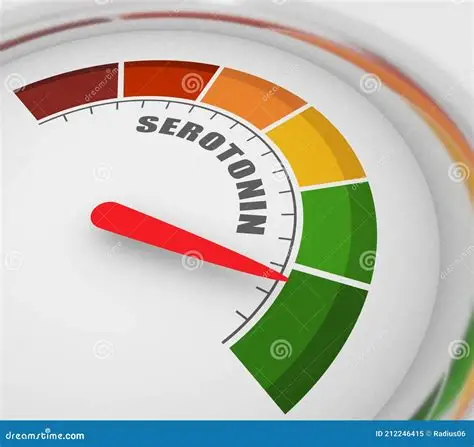
A common but misleading belief is that depression medicine only works by “raising serotonin” in the brain. While drugs like SSRIs do affect serotonin, that’s not the full picture.
Studies show they act on different brain chemicals, encourage flexibility in brain pathways, and even support the growth of new brain cells.
In other words, these medicines shape a healthier brain environment that supports recovery, instead of simply fixing one missing chemical.

Many worry that depression medicine will change their personality or numb their feelings. In truth, the goal is to ease symptoms like sadness, tiredness, and hopelessness—not to change identity.
When these symptoms improve, studies show people often feel like themselves again.
A possible side effect is “emotional blunting,” where emotions feel less intense. If this happens, speaking with a doctor can help adjust the treatment to better fit your needs.
Concerns about addiction often stop people from trying antidepressants, but this mixes up “dependence” with true addiction.
These medicines don’t cause cravings, highs, or compulsive use, and people don’t keep raising the dose to chase an effect.
Some may feel withdrawal-like symptoms, called discontinuation syndrome, if the drugs are stopped suddenly.
Doctors usually suggest reducing the dose slowly under guidance, which is different from treating an addiction.
Some think depression medicine works right away, but most need weeks before showing full effects. They are not quick fixes or instant mood lifters. Instead, they fit into a long-term care plan.
Lasting recovery often combines different elements such as:
-
therapy
-
lifestyle changes
-
support from others
While not a complete cure, these drugs can greatly improve life when used alongside other treatments.

Side effects from depression medicine aren’t the same for everyone. How a person reacts can depend on age, genes, metabolism, and other drugs they take.
Some may feel nausea, changes in weight, or sleep problems, while others notice nothing unusual.
If one option doesn’t work well or causes issues, there are many alternatives, and most side effects can be managed with medical guidance.
Health experts—like doctors, pharmacists, and mental health specialists—play a key role in clearing up myths. They guide people through choices, set realistic goals, and match care to individual needs.
Depression is more than just sadness; it’s a medical condition, similar to other illnesses that affect organs in the body. The brain can also face problems that need treatment.
Still, not everyone who feels low has a clinical disorder, and not every patient responds to the same therapy. Accurate information and tailored care from professionals are essential.
Depression medicine is often misjudged, yet it can play an important role in treatment. Clearing away myths with solid facts helps cut stigma and makes it easier for people to explore helpful options.
Care for mental health is never the same for everyone, and knowing what these drugs actually do can shape better decisions about recovery.
If you’re struggling, don’t let false ideas stop you from seeking help. Talking with a health professional may be the first move toward finding the right support.
Join Our Telegram Group
Join Our WhatSapp Group
You May Also Like…
Experts Name 12 Common Mistakes That Can Stop You From Losing Weight. How Many Are You Culpable Of?
Tired of dieting but seeing little or no change? Most weight loss problems are not about hunger...
The Good and Bad Sides of Using Vaseline on Your Face
Vaseline helps seal in hydration and offers several skin benefits for the face. Still, a few...
Good vrs Bad Ultra-Processed Foods: How to Tell Them Apart
Is every processed food bad for you, or could some actually boost your health while saving time...
0 Comments