
Experts Name 12 Common Mistakes That Can Stop You From Losing Weight. How Many Are You Culpable Of?
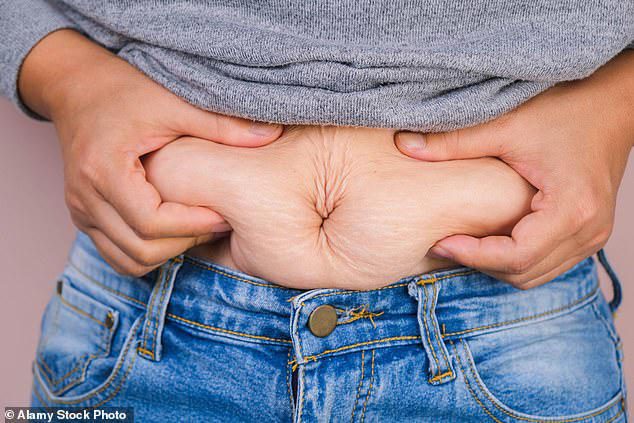
Tired of dieting but seeing little or no change? Most weight loss problems are not about hunger alone — they come from small daily habits that silently slow your progress.

nanadwumor
-
Weight loss needs balanced habits, not only eating less.
-
Very strict dieting can slow metabolism and increase hunger, says Dr Abby Hyams and the British Dietetic Association.
-
Protein, fibre, and whole grains help control appetite and improve health.
-
Good dieting should include moderate calories, sleep, and mindful eating, according to NHS.
RECOMMENDED ARTICLES

The Good and Bad Sides of Using Vaseline on Your Face
Vaseline helps seal in hydration and offers several skin benefits for the face. Still, a few factors should be weighed before using it. Hydration & protection: Locks in moisture, soothes...
Good vrs Bad Ultra-Processed Foods: How to Tell Them Apart
Is every processed food bad for you, or could some actually boost your health while saving time and money? Not all processed foods are harmful Some provide fiber, protein, vitamins Healthier...
Is Eating Too Much Protein Dangerous to Your Health?
How much protein you need depends on things like your weight, age, fitness goals, activity level, and overall health. Increase protein? Consult a dietitian Ensure diet is balanced Plan tailored...
Many people trying to slim down turn to programs that promise quick changes. There is no shortage of eating plans and tricks that claim to deliver fast results.
However, nutrition professionals say weight loss can stall for many reasons. Even when someone feels they are doing everything right, progress may not show.
Food choices are important, but they are not the only factor. Poor rest, daily pressure, and even the timing of meals can affect body fat levels.
Anna Groom from the British Dietetic Association explained in an interview with The Telegraph that short-term eating plans, especially after holiday overindulgence, may look appealing. Yet these approaches rarely last. They often lead people into an unhealthy cycle with food.
She points out that strict meal plans can produce early changes, but they are difficult to maintain. This usually leads to disappointment and emotional stress.
Sustainable fat loss requires a shift in thinking, regular movement, and healthier daily habits.
With that in mind, here are twelve common errors people make while trying to slim down, along with practical ways to correct them.
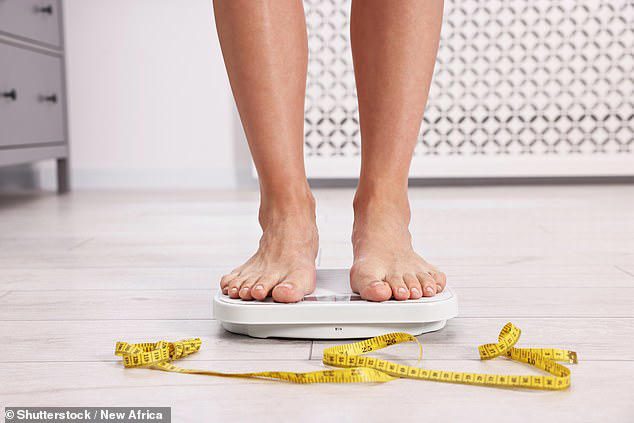
1️⃣Eating too little
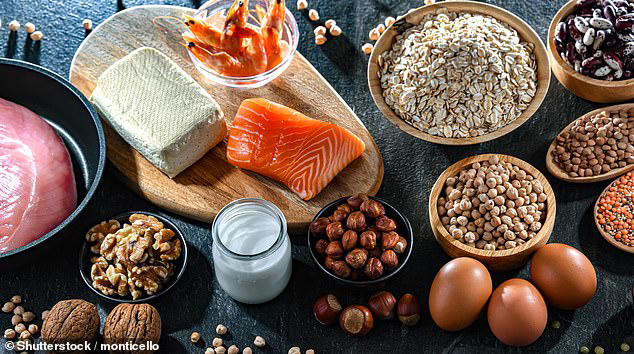
2️⃣Eating low protein
In recent years, this nutrient found in beef, seafood, dairy, and poultry has gained huge attention in the fat-loss world.
Specialists say the hype makes sense.
It helps you stay satisfied for longer.
It also supports higher energy use in the body.
Still, many people ignore it when planning meals. They choose light dishes that lack substance. The result is early hunger and constant snacking.
Dr Abby Hyams explains that many individuals lower energy intake without checking the source. Someone may eat a bowl of greens without any solid fuel, then feel desperate for food by mid-afternoon.
This nutrient breaks down at a slower rate. It activates fullness signals such as GLP-1. It also lowers the chemical that drives cravings, known as ghrelin.
Dr Hyams advises including about 20 to 30 grams at each meal. That could be a hand-sized serving of poultry, seafood, tofu, or eggs. About 150 grams of strained yogurt or 100 grams of curd cheese also works well.
3️⃣ Not Eating Enough Fibre
Adding more roughage to your plate can help control cravings between meals. That advice comes from Dr Emily Leeming.
This plant-based nutrient plays a key role in overall wellbeing. It supports smooth bowel function. It helps keep blood sugar steady. It can lower harmful blood fats. It also keeps you satisfied for longer, which helps with body fat control.
Eating plenty of it is linked to lower chances of heart problems, adult-onset diabetes, brain blood clots, and some forms of tumors.
Dr Leeming suggests replacing refined grains with whole options. Choose brown loaves instead of white. Pick whole wheat noodles over regular ones. Go for unpolished grains rather than processed versions.
4️⃣ Grazing on “free foods”
Small bites often slip under the radar. A cookie grabbed during a hot drink. A few fries taken from someone else’s plate. Extra drizzle poured over greens. These little extras build up fast.
Data from the National Diet and Nutrition Survey shows that people misjudge how much they eat by roughly 30 percent.
To fix this, specialists suggest keeping a record of daily intake. Pay attention to casual nibbling. Awareness alone can cut down unnecessary extras.

5️⃣ Drinking Your Calories
Liquid energy can quietly slow fat loss. Sweet sodas, packaged fruit blends, and creamy café drinks are common culprits.
A report by the Daily Mail highlighted how café beverages can carry surprisingly high energy values.
For instance, an iced turmeric matcha latte made with semi-skimmed milk from Black Sheep Coffee contains about 279 kilocalories.
Rich cocoa drinks can reach 500 kilocalories. That equals roughly nine slices of fried pork.
Even tea with milk or a regular evening glass of alcohol can add up to several hundred extra kilocalories each week.
The fix is simple. Choose smaller cup sizes. Leave out flavored syrups. Pick no-sugar alternatives when available.
6️⃣ Hitting the Treadmill But Not the Weights
Aerobic workouts help improve fitness. Still, steady strength sessions bring added benefits. Moves such as squats and deadlifts help muscles develop. Stronger muscles improve body shape and support better energy use.
A large review published in Obesity Reviews showed that weight training combined with a controlled eating plan led to the best fat reduction results.
Dr Abby Hyams says increasing muscle mass is a powerful tool for keeping body fat under control over time.
7️⃣ Weekday dieting, And Weekend Binging
Strict control from Monday to Friday followed by overeating on Saturday and Sunday can undo your hard work. Many people fall into this cycle without realizing the damage.
A smarter approach is to schedule small indulgences within your daily targets. Include richer meals in your plan instead of swinging between total restriction and complete excess.
8️⃣ Eating at Wrong Times
Time-restricted eating can help the body burn stored fat. One common example is fasting for about 12 hours and eating during the remaining hours.
However, many people fast only in the morning and eat heavily at night. Nutrition specialists say this habit may reduce the benefits of fasting.
Skipping breakfast may also remove important nutrients such as calcium and iron from the diet. This can lead to low energy, difficulty thinking clearly, and stronger cravings for sugary or fatty foods later in the day.
Long-term, poor eating timing has been linked to higher chances of heart problems, type 2 diabetes, high blood pressure, and unwanted weight gain.
Research published in JAMA Internal Medicine found that eating within an early window, such as between 7 a.m. and 3 p.m., produced about 50% more weight loss compared with spreading meals across a longer 12-hour period.
9️⃣ Eating Big Portions
People often guess portion sizes wrongly, especially with foods like cereal, pasta, and rice.
A simple fix is to measure your food at first. Use a scale or measuring cup. Do this until you can visually judge the right amount for yourself.
🔟 Not Getting Enough Sleep
Not getting enough sleep can encourage body fat gain. When people sleep less than six hours a night, hunger control becomes weaker.
Poor rest changes key hormones. One hormone that drives appetite rises, while another that signals fullness drops. Stress hormone levels may also increase. This combination often leads to stronger cravings for sweet or high-energy foods.
Tiredness also lowers the desire to move around or exercise. At the same time, the body’s ability to handle sugar can decline.
A study published in Annals of Internal Medicine found that only two nights of short sleep were enough to increase hunger, especially for starchy and sugary snacks.
The best fix is to prioritize rest. Go to bed earlier. Limit phone or screen use at night. Good sleep supports better weight control.
1️⃣1️⃣ Not Feeding Your Gut
The human gut contains trillions of tiny organisms. These include bacteria, viruses, and fungi. Together, they are called the gut microbiome.
These microorganisms help break down food. They protect the gut lining. They also produce substances that support digestion, control inflammation, improve metabolism, and strengthen immunity.
When the microbial community is balanced, helpful bacteria keep harmful ones under control.
If this balance is disturbed, a condition called dysbiosis can occur. This may cause bloating, irregular bowel movement, and discomfort. Research has also linked poor gut balance to higher chances of weight gain, diabetes, and heart problems.
To support gut health, eat more fruits, vegetables, beans, whole grains, and fermented foods such as live yogurt or preserved cabbage.
1️⃣2️⃣ Using Your Willpower
Many people believe strong self-control alone can fix eating habits. But this is one of the biggest dieting misunderstandings, according to Sandra Roycroft-Davis, founder of Slimpod and writer of The Weight’s Over – Take Back Control.
She explains that up to 90% of eating behaviour is influenced by the subconscious mind. This is why people sometimes know the right thing to do but still act differently.
She compares willpower to a battery that slowly drains. The problem is not lack of discipline. Instead, the brain is simply following what it thinks is best for survival. Trying to fight the brain with strict diets may feel frustrating. Retraining eating habits works better.
The practical step is to study your own behaviour. Look for situations that push you to eat when you are not truly hungry.
Once you understand your triggers, you can break the cycle.
If you eat something you did not plan, avoid self-blame. Tell yourself it was only a small setback, not a total failure. This helps remove guilt and keeps motivation strong.
Join Our Telegram Group
Join Our WhatSapp Group
You May Also Like…
The Good and Bad Sides of Using Vaseline on Your Face
Vaseline helps seal in hydration and offers several skin benefits for the face. Still, a few...
Good vrs Bad Ultra-Processed Foods: How to Tell Them Apart
Is every processed food bad for you, or could some actually boost your health while saving time...
Is Eating Too Much Protein Dangerous to Your Health?
How much protein you need depends on things like your weight, age, fitness goals, activity level,...
0 Comments